
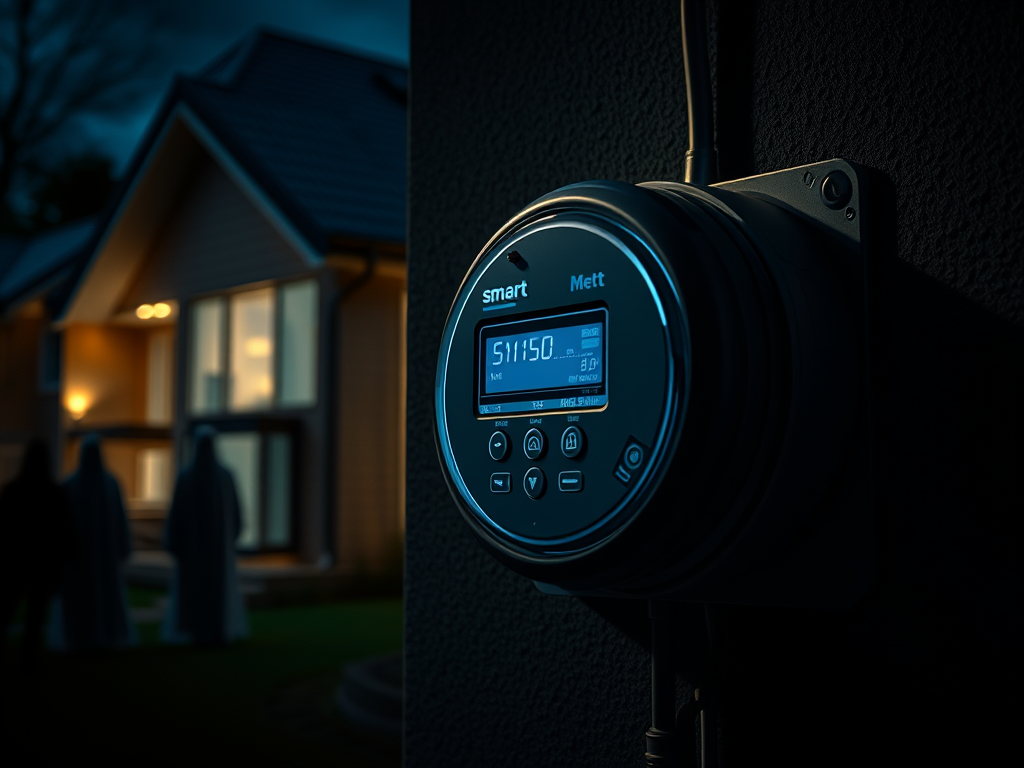
Imagine waking up one morning to find your electricity bill has tripled overnight with no explanation. You check your appliances, your usage seems normal, yet the numbers do not add up. What if your smart meter, the very device designed to help you manage energy, could be exploited to compromise your privacy and even your safety?
Smart meters have become a common feature in modern homes. They track electricity consumption in real time and send this data directly to utility providers. This allows for accurate billing, insights into energy use, and even the potential for lowering electricity costs. However, as with many technologies, there are hidden risks that both consumers and providers need to understand.
How Smart Meters Work
A smart meter measures electricity use continuously. It communicates this data to the utility company through wireless networks. In theory, this gives users detailed information about their energy consumption and allows providers to manage the power grid more efficiently.
While the benefits are clear, the very features that make smart meters convenient also make them vulnerable.
Vulnerabilities of Smart Meters
Data Interception
Many smart meters transmit data without proper encryption. This makes it possible for attackers to intercept energy usage information. Although it may not seem critical at first, detailed consumption data can reveal when people are home, their daily routines, and even when expensive appliances are in use.
Remote Manipulation
There have been cases where hackers could manipulate smart meters remotely. This can lead to inaccurate energy readings, fraudulent billing, or even temporary disruptions in electricity service.
Integration Risks
Smart meters are connected to the broader power grid. A compromised meter could potentially serve as a gateway for attacks on critical infrastructure. This makes securing smart meters not just a consumer concern but a matter of public safety.
Real Life Cases
Puerto Rico, 2009
A large scale hack of smart meters in Puerto Rico allowed criminals to steal electricity and generate fraudulent bills. This caused financial losses and highlighted the vulnerabilities of early smart meter systems.
Oregon State University Research, 2023
Researchers demonstrated that hackers could manipulate smart meters in a way that destabilizes the electricity grid. By creating artificial oscillations in electricity demand, attackers could potentially disrupt the stability of local networks.
FBI Warning, 2012
The FBI issued warnings that smart meters could be exploited to remotely alter electricity consumption settings. The concern was that widespread manipulation could lead to service disruptions or more serious attacks on the power grid.
How to Protect Yourself
Encryption
Ensure that your utility provider uses encrypted communication for their smart meters. This is the first line of defense against data interception.
Regular Audits
Utility companies should conduct frequent security audits to identify and patch vulnerabilities. Consumers can also request information on their provider’s security practices.
Monitoring Your Usage
Regularly checking your energy consumption can help you spot anomalies that may indicate tampering or faults.
Awareness and Education
Being informed about the risks of smart meters allows users to take precautions and demand better security standards from providers.
Conclusion
Smart meters offer a convenient way to track and manage energy use. However, their vulnerabilities cannot be ignored. Real life incidents show that attacks on these devices are possible and can have serious consequences. Both consumers and utility companies must take security seriously to ensure that the benefits of smart meters do not come at the expense of safety and privacy.

Leave a Reply